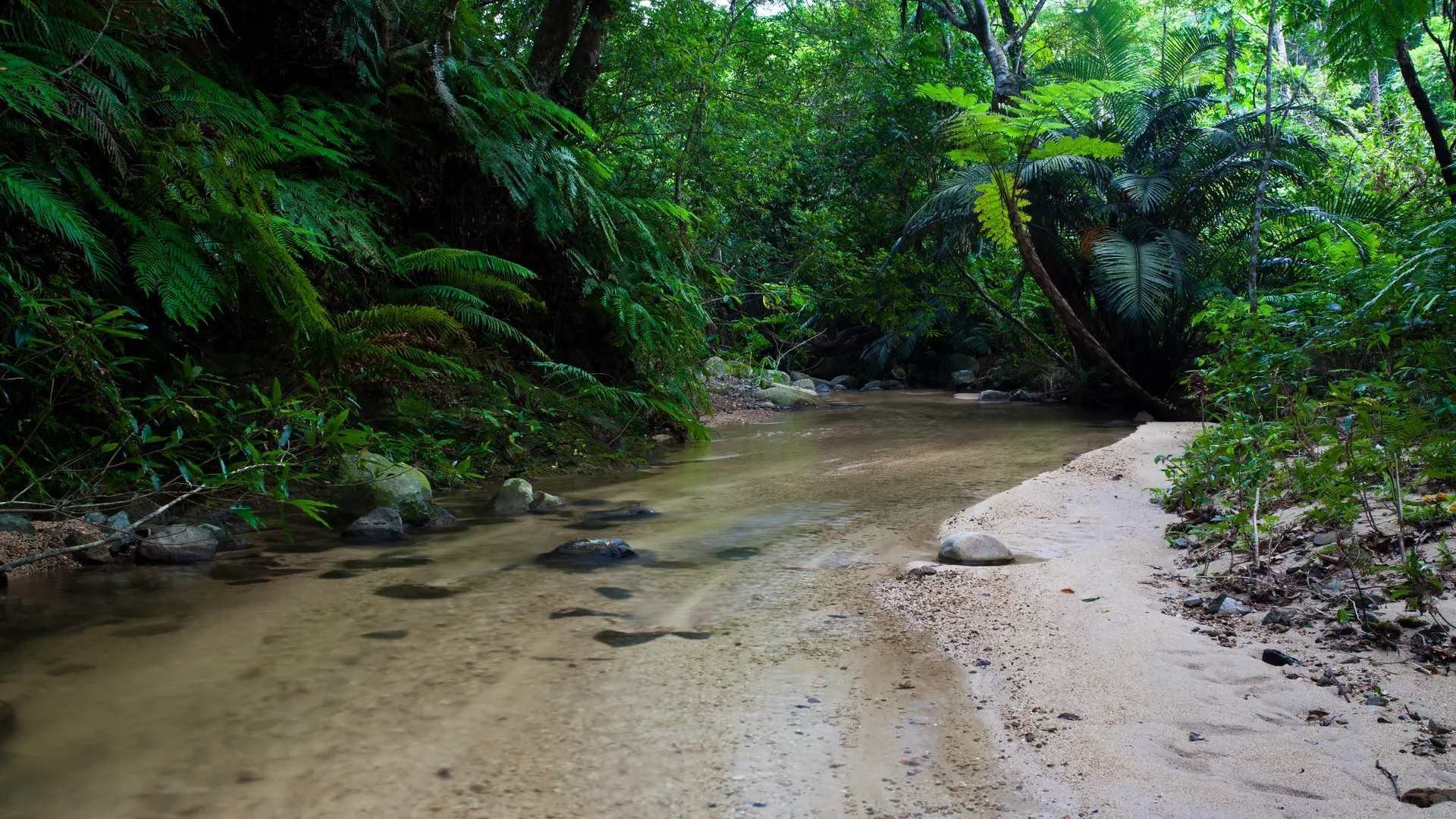
Precious Environment
The Mt. Omoto area is part of Iriomote-Ishigaki National Park, with portions designated as a "Special Protection Zone." It is located in a precious environment subject to Ishigaki City's own ordinances.
Scroll Down
Precious Environment
The Mt. Omoto area is part of Iriomote-Ishigaki National Park, with portions designated as a "Special Protection Zone." It is located in a precious environment subject to Ishigaki City's own ordinances.
A national park centered on the Yaeyama Islands, including Iriomote Island, Ishigaki Island, and Taketomi Island. It features uniquely un-Japanese landscapes where subtropical primeval forests, coral reefs, and mangroves come together.
Ministry of the Environment National ParkThe Mt. Omoto area where Omoto526 is located is within the national park boundaries. Parts of it are designated as a "Special Protection Zone," where development is most strictly restricted, and pristine nature is preserved.
Adjacent to Special Protection ZoneIn addition to national park regulations, Ishigaki City has enacted its own nature conservation ordinances. The local government and community work together to protect nature, including firefly habitat protection and dark sky preserve maintenance.
Double Protection by City OrdinanceHome to many rare species including the nationally designated Special Natural Monument Crested Serpent Eagle (found only on Ishigaki and Iriomote Islands), as well as the Yaeyama Box Turtle and Kishinoue's Giant Skink. Neighboring Iriomote Island is also home to the Iriomote Cat, making this a biodiversity hotspot.
Many Endangered SpeciesCertified by International Dark-Sky Association in 2018
In 2018, Iriomote-Ishigaki National Park became Japan's first certified Dark Sky Park. Neighboring Iriomote Island, which is part of the same national park, was also designated a UNESCO World Natural Heritage Site in 2021, demonstrating that the entire Yaeyama region is a globally precious natural area.
Japan's First Dark Sky ParkIshigaki Island's highest peak at 526m elevation. It's also the namesake of Omoto526. The hiking trail through subtropical primeval forest offers quiet encounters with endemic flora and fauna.
An emerald-green bay selected as one of Japan's 100 Scenic Views. Observe coral reefs and tropical fish via glass-bottom boat. Strictly protected as a marine park zone within the national park.
Ishigaki Island's largest mangrove forest and tidal flat, a Ramsar Convention registered wetland. Famous for mudflat creatures like fiddler crabs and mudskippers, and as a stopover for migratory birds.
Japan's largest grove of Yaeyama palms (nationally designated Natural Monument), which grow only on Ishigaki and Iriomote Islands. Nearby Yonehara Beach is a popular snorkeling spot where you can encounter tropical fish and sea turtles.
● Spring Mar–May
The liveliest season when Yaeyama Fireflies dance in swarms and bird migration overlaps. The subtropical forest comes alive with brilliance all at once.
● Summer Jun–Aug
Snorkeling and diving in crystal-clear waters. Starry skies and the Milky Way at night. Experience the subtropical summer with all your senses.
● Autumn Sep–Nov
After typhoon season, the skies clear and large flocks of Grey-faced Buzzards pass overhead. Enjoy both birdwatching and stargazing.
● Winter Dec–Feb
Cool and comfortable winter is prime season for Mt. Omoto trekking. With wintering migratory birds joining in, the forest shows a quiet vibrancy.
Collecting plants and animals within the national park is prohibited by law. Approaching Natural Monuments like the Crested Serpent Eagle is also strictly forbidden. Take only photographs.
Bringing in shoes with soil or plants from mainland Japan can introduce invasive species. Make it a habit to clean mud from shoe soles before trekking.
There are no trash bins in nature. Food smells can also attract wildlife. Taking everything with you is the first step in protecting this environment.
Omoto526 is an accommodation located within the boundaries of Iriomote-Ishigaki National Park.
Feel free to consult the owner about trekking or nature observation.
A Prime Location Surrounded by Ishigaki Island's Rich Nature
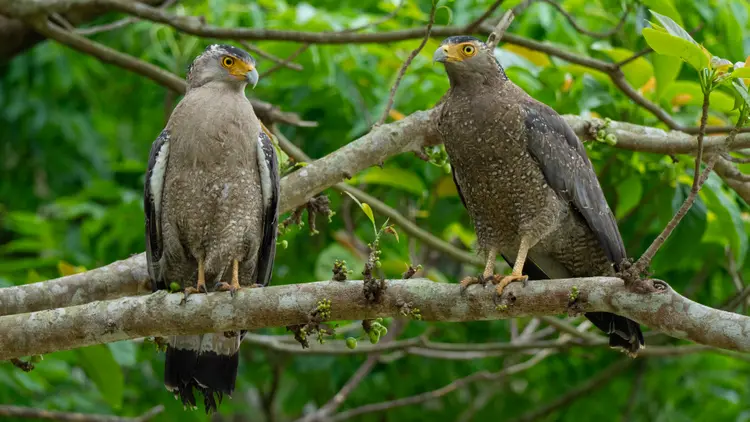
四季折々にカンムリワシ、リュウキュウアカショウビン、リュウキュウコノハズクなど野鳥が庭まで訪れます。バードウオッチャーにとって理想的な環境です。
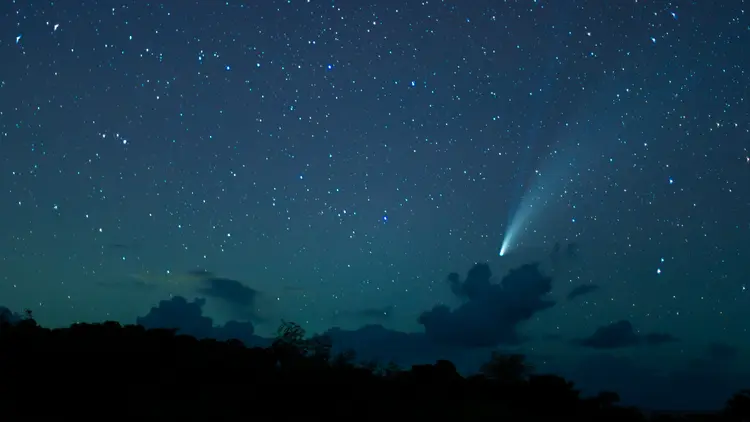
光害の影響がほとんどない環境で、信じられないほど美しい星空を堪能できます。天の川も肉眼ではっきりと見えます。
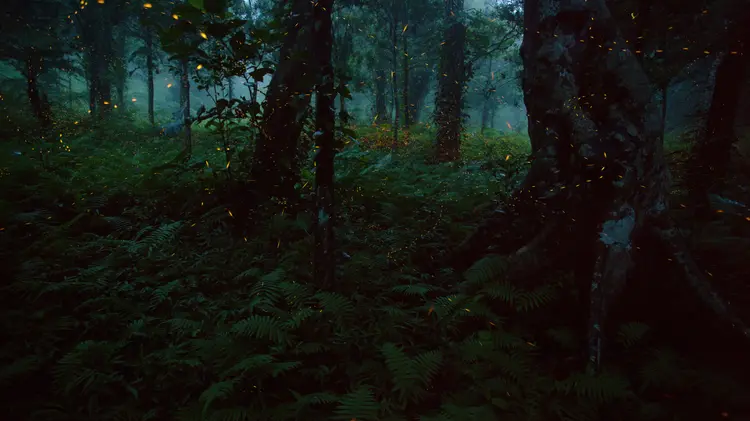
徒歩圏内にヤエヤマボタルの生息地があり、季節には幻想的な光景を楽しめます。石垣市の自然保護条例により守られた環境です。

県内最高峰の於茂登岳は高さ526メートル。地元では神聖な山として崇められています。
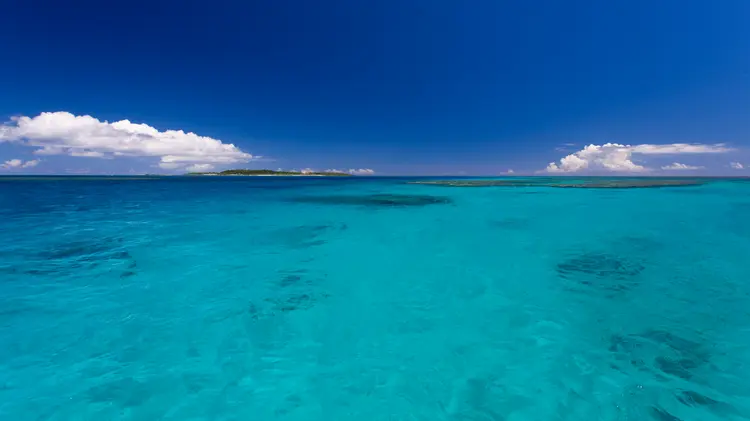
キッチン、冷蔵庫、電子レンジなどを完備。広々としたウッドデッキで山に囲まれた自然を感じながら、のんびりと長期滞在を楽しめます。たまには、透明度抜群の海でリラックスしてください。
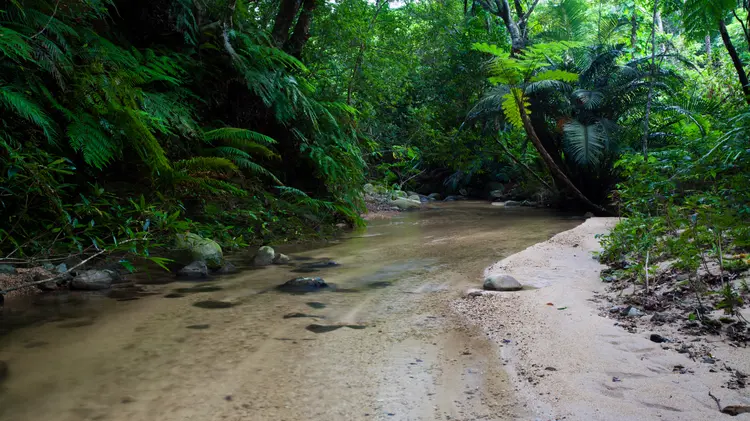
於茂登岳一帯は西表石垣国立公園で、一部は「特別保護地区」にも指定。石垣市独自の条例などがかかる貴重な環境に位置しています。